
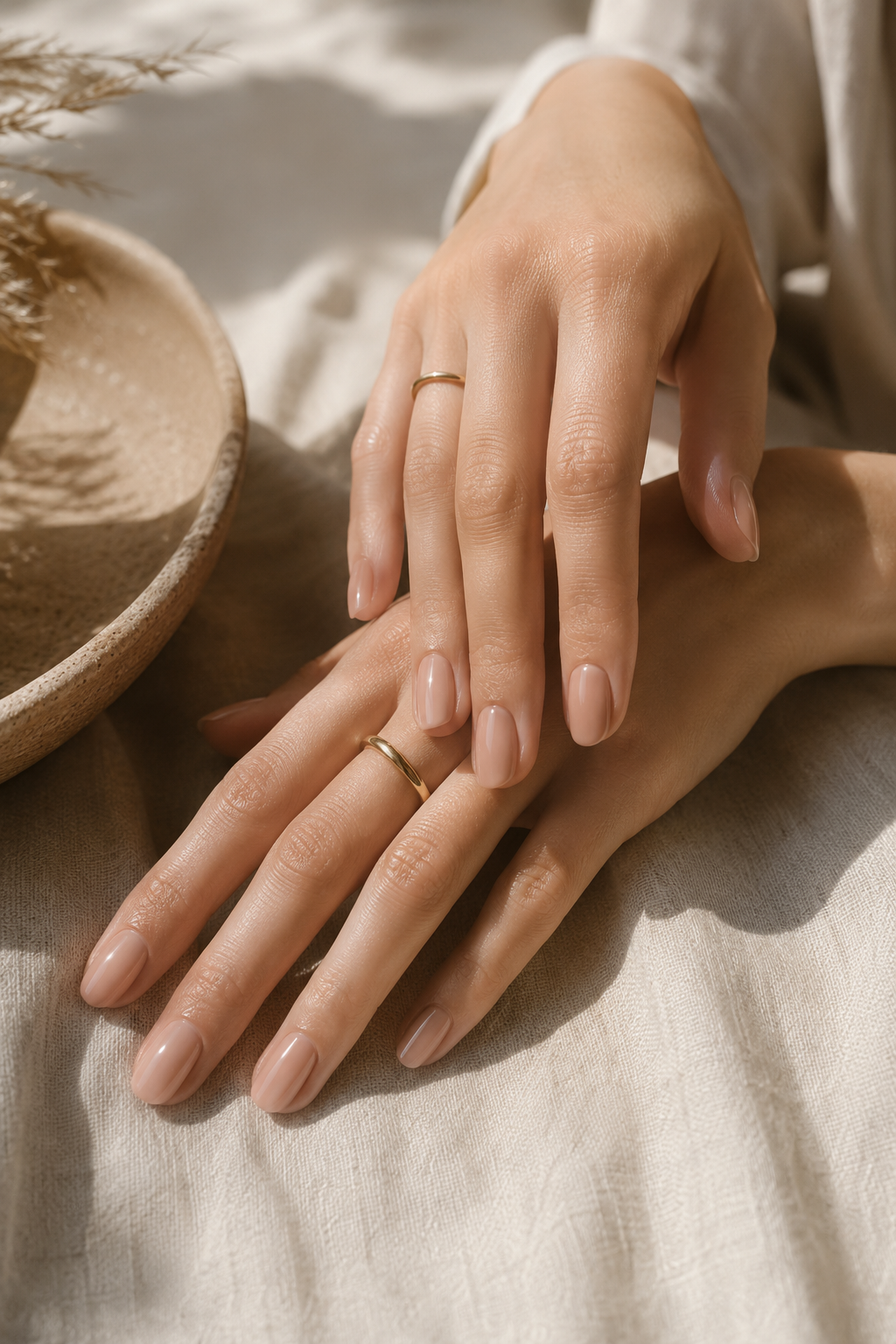
There is a quiet moment, somewhere in your late thirties, when you glance down at your hands and notice something new. A faint ridge. A nail that seems to grow a little slower than it used to. Nothing dramatic — just a small shift that makes you pause.
This is completely normal. Nail health after 35 changes gradually, the same way skin and hair do, and understanding why can turn a moment of worry into a moment of quiet reassurance. With a few thoughtful adjustments, your hands can continue to look polished, healthy, and effortlessly elegant.
What Actually Changes in Your Nails After 35
Nails are made largely of keratin, the same protein found in hair and skin. As the years pass, the body’s ability to retain moisture slows, and that affects the nail plate just as it affects everything else.
The result is often subtle: less shine, a touch more dryness, and a texture that feels less smooth than it once did. None of this means your hands are aging poorly. It simply means they are asking for a slightly different kind of care.
Ridges, Thinning, and Slower Growth
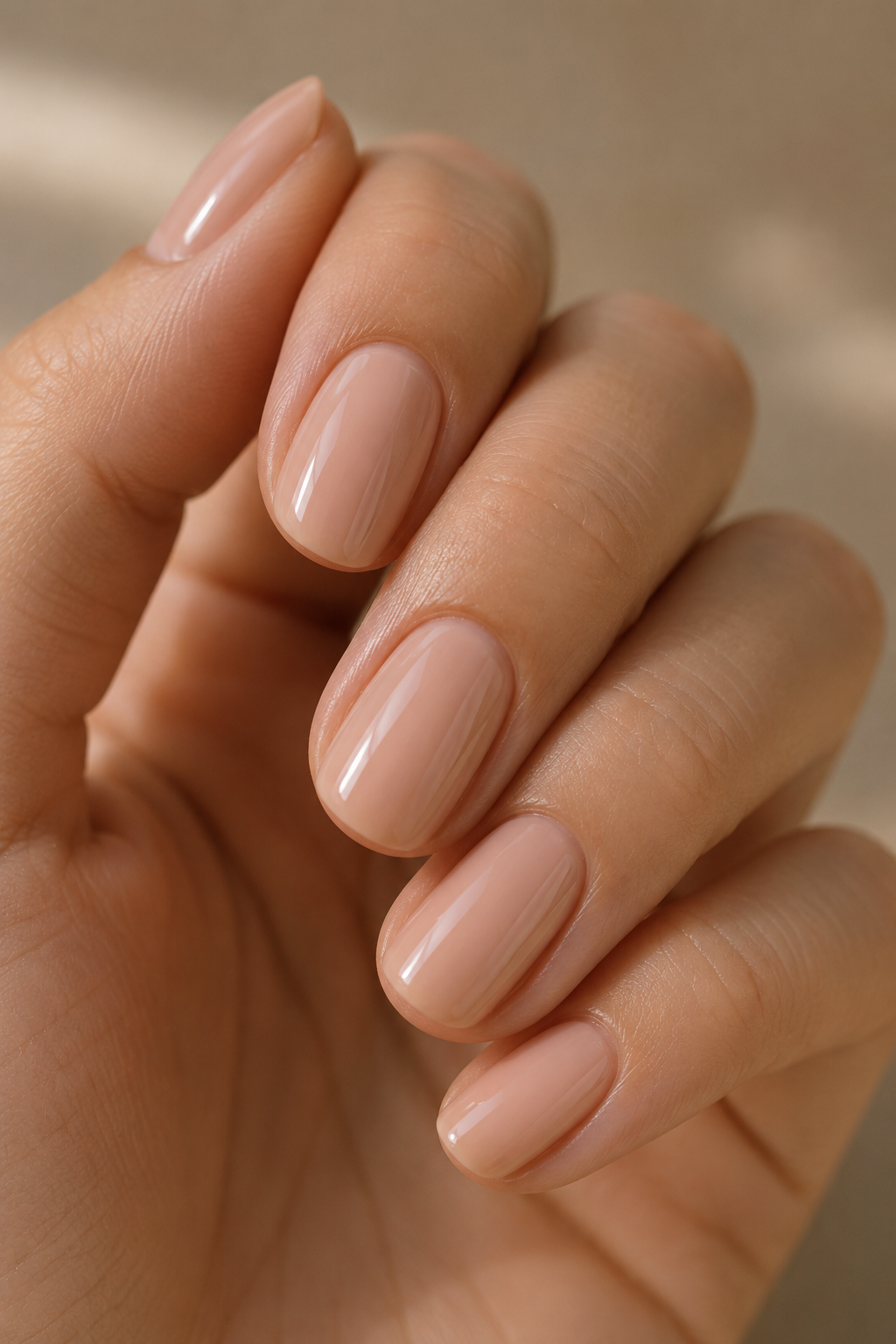
Vertical ridges — the fine lines that run from the cuticle to the tip of the nail — are one of the most common changes women notice. According to Mayo Clinic, these ridges tend to become more visible with age and are generally considered harmless.
Nail growth also slows naturally over time, which is why manicures seem to “hold” a little longer than they once did. And because circulation and moisture retention shift with age, nails can feel thinner, more brittle, or a little more prone to breaking near the tips.
Soft Élan Note: A ridge or two is not a flaw to correct urgently. Think of it as a texture to work with, gently, the same way you might approach a fine line or a change in your skin.
A Nail Care Routine for Your 30s and 40s
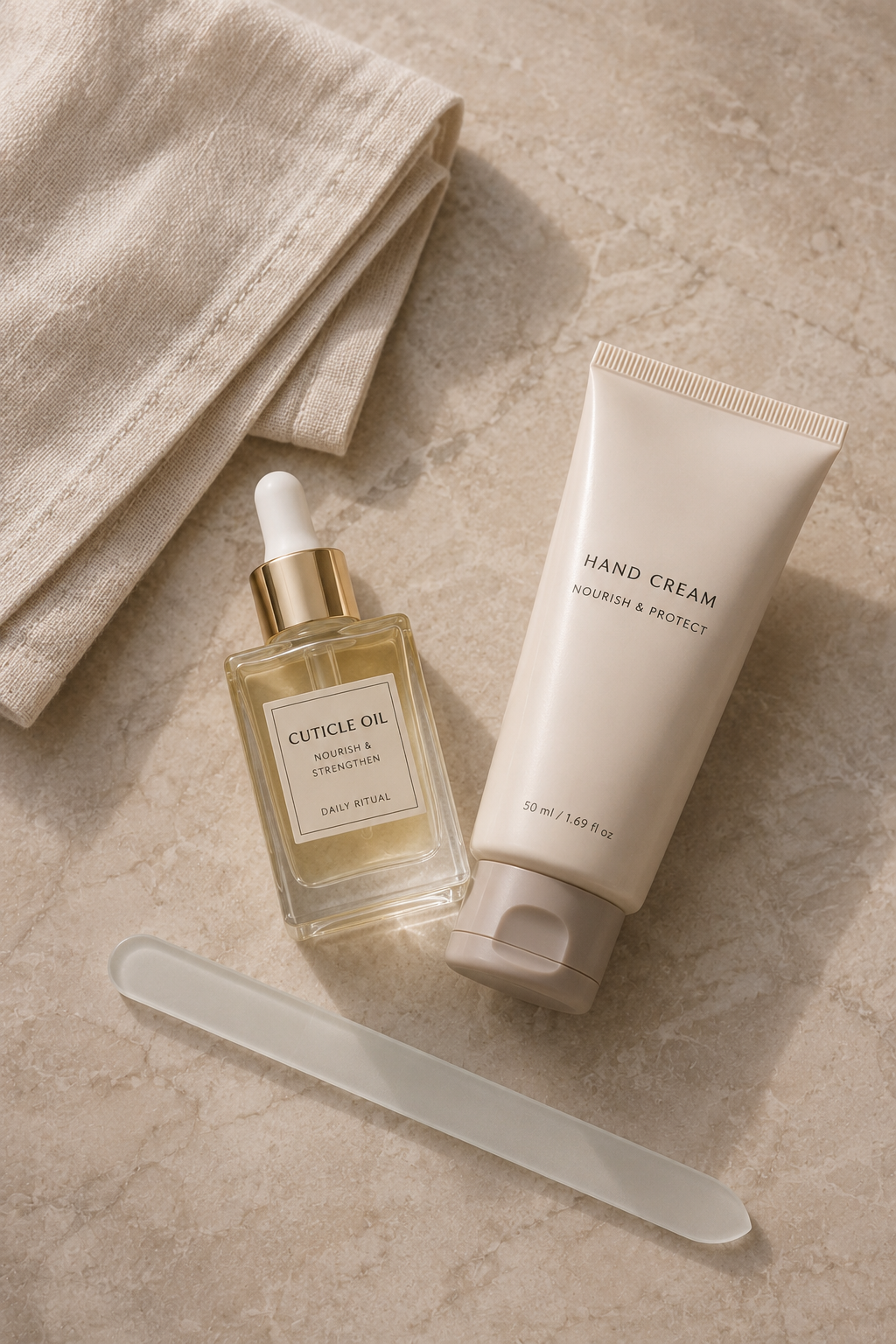
The routine that served you well in your twenties may simply need a softer, more hydrating update now. A few adjustments can make a visible difference over time.
Begin with consistent moisture. Cuticle oil applied nightly helps the nail plate stay flexible rather than brittle, which in turn reduces the appearance of ridges. A rich hand cream, used after every wash, protects the skin that surrounds and supports the nail.
Gentle filing matters more than it once did. A glass or fine-grit file, used in one direction rather than a sawing motion, helps prevent the small splits that weaker nails are more prone to.
A ridge-filling base coat is one of the simplest tools for a smooth, even manicure without disguising your nails or drawing extra attention to them. It softens texture rather than masking it, which fits the Soft Élan approach of enhancing rather than hiding.
For deeper nourishment, a hand cream formulated with peptides or a gentle retinol can support the look of the skin and cuticle area over time, much like a treatment step in a facial routine.
If your nails feel especially weak or are prone to peeling, a dedicated strengthening treatment can help rebuild resilience layer by layer. Our guide to choosing a nail strengthener for weak, brittle nails walks through the gentlest, most effective options.
And for the hands themselves, a nourishing formula is worth keeping close at all times. This quiet luxury hand cream edit is a lovely place to start.
The Best Nail Color and Finish Choices After 35

Color choice can do quiet, quite remarkable work for mature hands. Glossy, nude, and soft rose tones tend to flatter most, reflecting light in a way that makes nails appear smoother and hands appear softer.
Matte finishes, while beautiful, can sometimes emphasize texture rather than soften it, so they are worth saving for nails that are already in excellent condition. A high-shine top coat, on the other hand, is one of the easiest ways to create the appearance of healthy, well-cared-for nails, even on a busy week.
Shorter to medium lengths, in a soft round or gently squared shape, tend to feel the most timeless and require the least maintenance — a small but meaningful kindness to give yourself.
If you enjoy a monochrome approach to your manicure, our piece on making one nail color look expensive pairs beautifully with these shade recommendations.
Soft Élan Note: A well-chosen polish shade is one of the quietest forms of self-care. It asks so little and gives so much back.
When It’s Time to See a Dermatologist
Most nail changes after 35 are simply part of getting older, and they do not require intervention. That said, it is worth knowing which signs deserve a professional opinion rather than a home remedy.
Mayo Clinic notes that you should consult a dermatologist if you notice a significant change in nail color, a nail pulling away from the surrounding skin, swelling or pain, bleeding, or nails that stop growing altogether. Horizontal ridges that appear suddenly, rather than gradually, can also be worth mentioning at your next appointment, since they sometimes reflect a temporary interruption in growth rather than the slow, natural changes of aging.
None of this is meant to alarm you. It is simply useful to know the difference between the gentle, expected shifts of nail health after 35 and the rarer signs that warrant a closer look.
A Few Gentle Reminders for Nail Health After 35
Your hands have carried you through decades of living, and it shows in the loveliest of ways. A ridge, a slightly slower growth cycle, a touch more dryness — these are not signs of neglect. They are simply signs of time.
A little consistency goes further than perfection ever could. A nightly drop of cuticle oil, a well-chosen shade, and a hand cream kept within easy reach can quietly transform how your hands feel and look, day after day.
Beautiful hands, at any age, are simply well-loved ones.
Nail Health After 35 — Frequently Asked Questions
Are vertical ridges normal with age? Yes. Vertical ridges are one of the most common and least concerning nail changes associated with aging, and they typically do not signal an underlying health issue.
Does nail growth really slow down? It does, gradually. Slower growth is a natural part of nail health after 35 and is generally nothing to be concerned about.
What is the best nail shade for aging hands? Glossy nudes, soft pinks, and warm rose tones tend to be the most flattering, as they soften the appearance of texture and reflect light beautifully.
Related reading: Best Hand Cream for Dry Hands: The Quiet Luxury Edit • Best Nail Strengthener: A Soft Élan Buying Guide • Quiet Luxury Hand Jewelry: Rings, Watches & Layering