
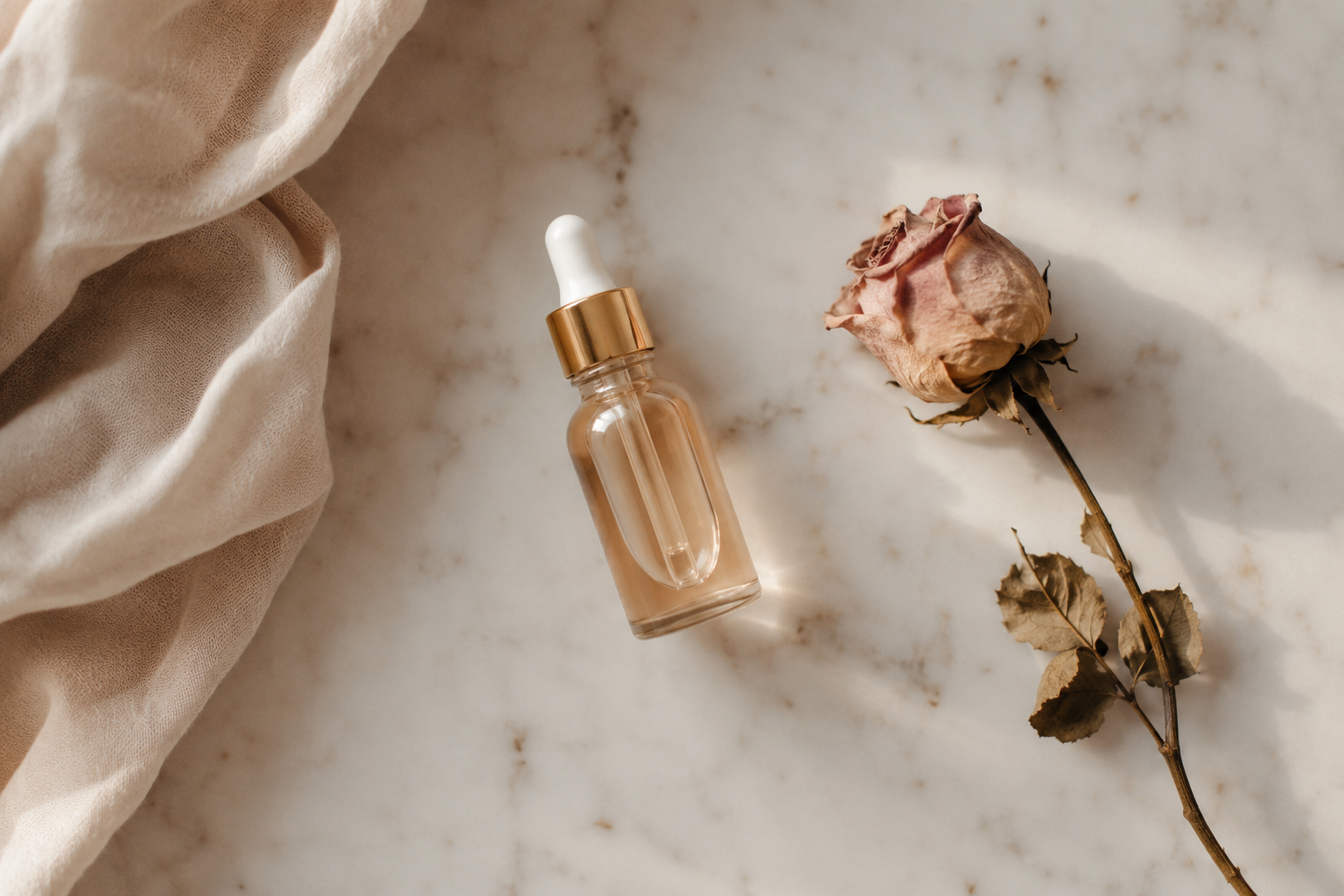
There is something quietly telling about well-maintained cuticles. Before a single coat of polish, before the shape of a nail even registers, the skin surrounding your nails speaks volumes about how you care for yourself.
A consistent cuticle care routine is one of the smallest investments you can make in your appearance — and one of the most visible. Yet for many women, the cuticle is the most overlooked step in an otherwise thoughtful nail routine.
This guide is here to change that. Whether your cuticles are dry and ragged from winter air, or simply neglected after years of aggressive salon trimming, there is a gentler, more effective way to care for them. You will learn why healthy cuticles matter, which daily habits actually work, and which products are worth a permanent place on your vanity.
Soft Élan Note: Cuticle care is not just cosmetic — it is preventive. Keeping this small strip of skin healthy helps protect your nails from infection and breakage over time.
Why Cuticles Matter More Than You Think
The cuticle is a thin layer of dead skin that sits at the base of your nail, where the nail plate meets the skin. Its purpose is entirely protective. It seals the matrix — the living tissue responsible for new nail growth — against bacteria, moisture, and environmental irritants.
When that seal is broken — through cutting, picking, or excessive dryness — the matrix becomes vulnerable. That vulnerability often shows up as slow-growing nails, ridges, inflammation, or even infection.
In other words, the cuticle is not simply a cosmetic nuisance to be trimmed away. It is a functional barrier that deserves gentle, consistent attention.
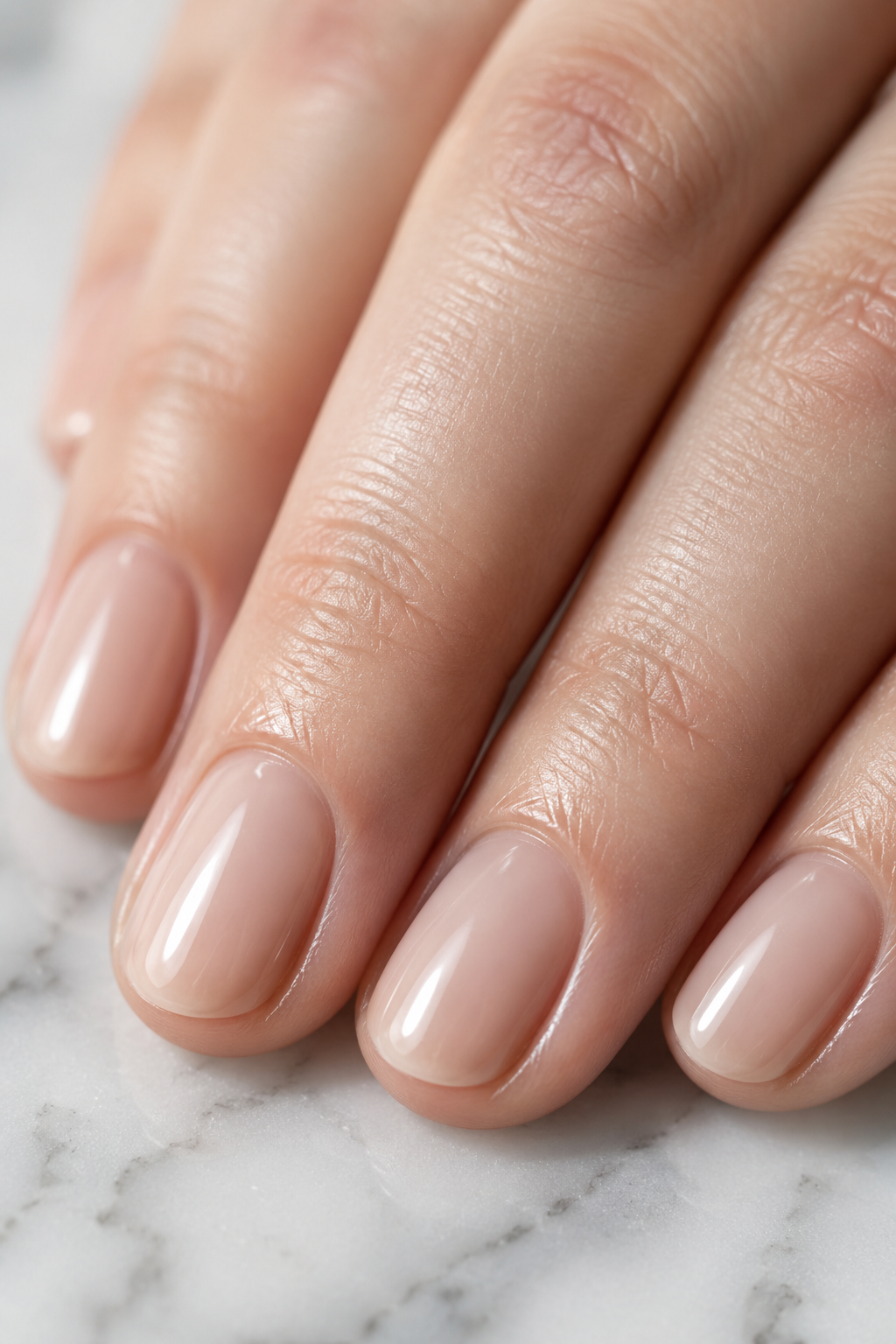
Push Back, Don’t Cut: The New Cuticle Care Standard
For years, cutting cuticles was standard salon practice. It created the temporary illusion of a clean nail bed. But dermatologists and nail specialists have largely moved away from this approach — and for good reason.
Cutting the cuticle removes the very seal it was designed to provide. The skin grows back faster, often thicker and more uneven, requiring more frequent cutting to maintain. It also creates tiny openings along the nail fold where bacteria and fungi can enter.
The refined alternative is simple: soften and gently push the cuticle back. Done consistently, this keeps the nail bed looking elongated and clean without ever breaking the skin’s protective barrier.
This is the foundation of a health-first cuticle care routine — and it is the approach this guide is built around.
Soft Élan Note: If you visit a salon, it is entirely acceptable to ask your technician to push back rather than cut your cuticles. A skilled manicurist will understand and appreciate the request.
Your Step-by-Step Cuticle Care Routine
A healthy cuticle care routine does not require much time. It requires consistency. The steps below are divided into daily habits and a once-a-week treatment that takes fewer than ten minutes.
Daily Cuticle Care Habits
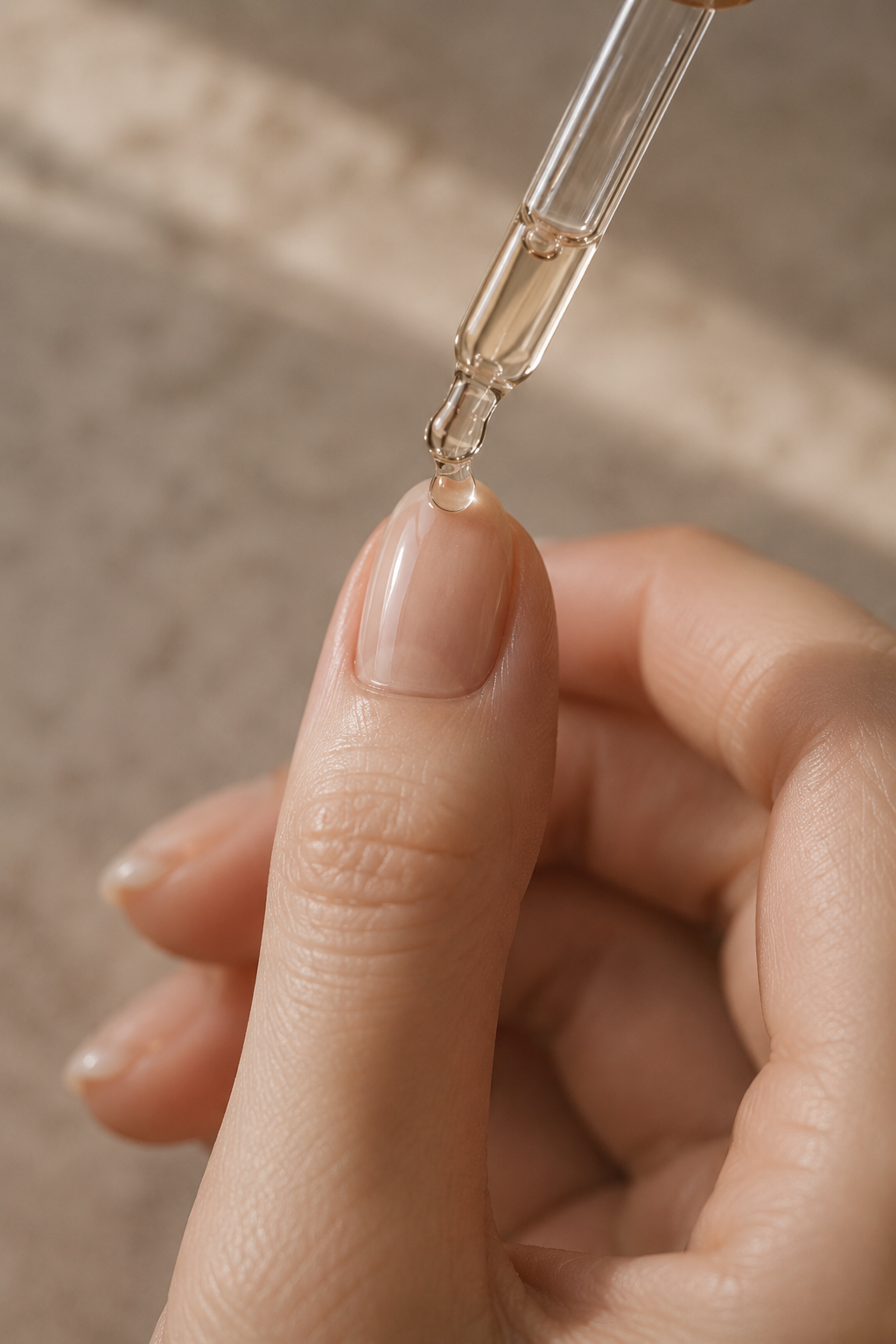
- Apply cuticle oil morning and evening. Massage a small drop into each nail and the surrounding skin. This is the single most impactful habit in any cuticle care routine.
- Moisturize your hands every time you wash them. Frequent hand-washing strips moisture from the skin around your nails. A lightweight hand cream applied afterward counteracts this.
- Avoid picking or peeling dry skin. Instead, apply oil and let it soften before very gently smoothing the area with a fingertip.
- Protect your hands during cleaning. Rubber gloves prevent harsh cleaning agents from drying out the cuticle area.
Weekly Cuticle Care Treatment
- Soak. Soak your fingertips in warm water for three to five minutes. Adding a few drops of jojoba or almond oil to the water adds a gentle softening effect.
- Apply cuticle remover. A gentle cuticle remover or softening balm helps dissolve dead skin without any pulling or cutting. Leave it on for one to two minutes, then wipe away.
- Push back gently. Using a wooden or rubber-tipped cuticle pusher, gently push the softened cuticle toward the base of the nail. Use light circular strokes. Never force it.
- Buff lightly if needed. A soft nail buffer can smooth any rough edges on the nail surface. Skip this step if your nails feel healthy.
- Apply a nourishing treatment. Finish with a generous layer of cuticle balm or a rich hand cream, massaging it into the nail and cuticle area. This is the most restorative part of the ritual.
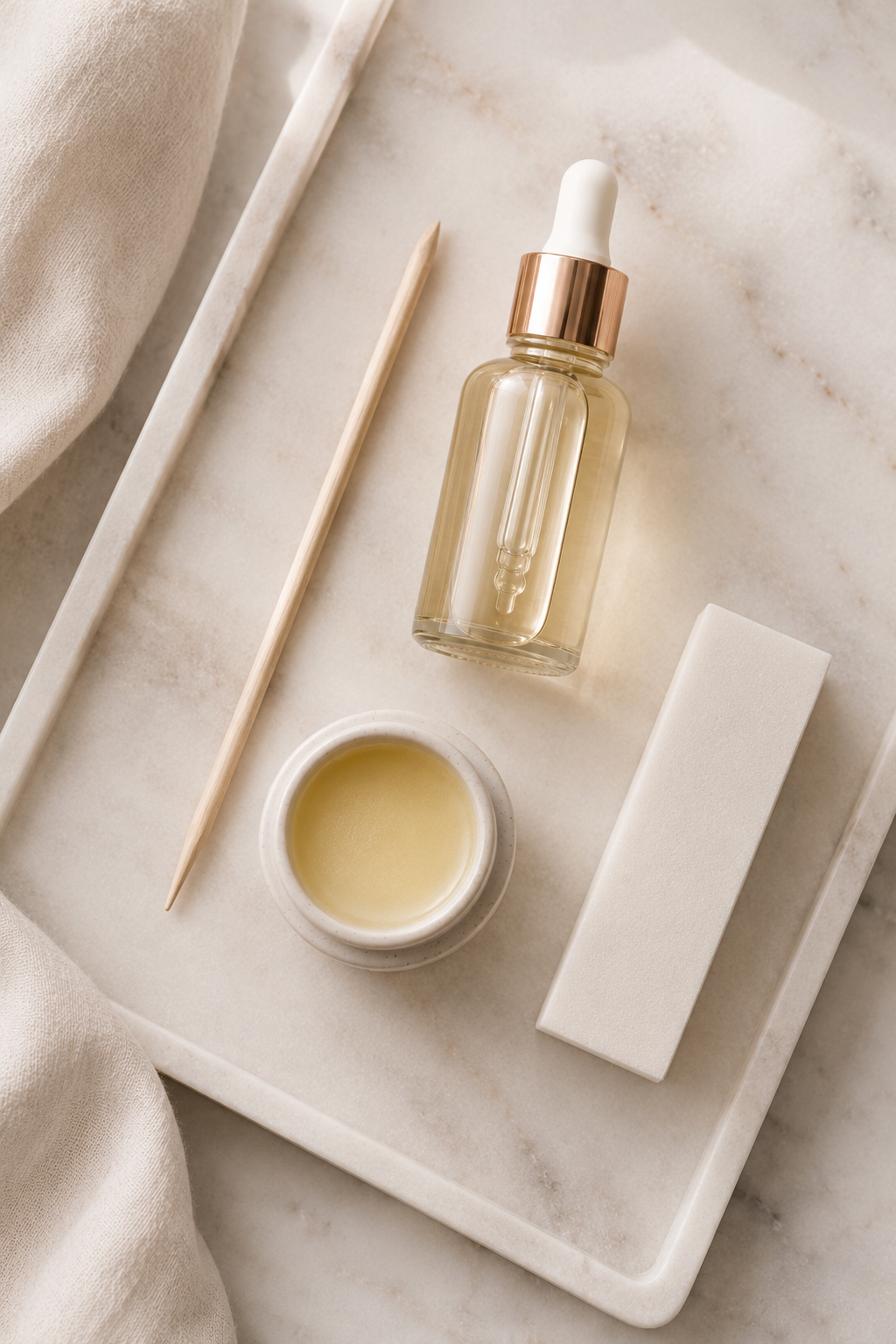
The Cuticle Care Products Worth Knowing
A thoughtful cuticle care routine relies on a small number of products, each chosen with purpose. Here is what each category does and what to look for.
Cuticle Oil
Cuticle oil is the cornerstone of any healthy nail care routine. Applied daily, it hydrates the nail matrix, strengthens the nail plate, and keeps the surrounding skin supple and smooth.
Look for oils containing jojoba, vitamin E, sweet almond, or argan oil. These penetrate quickly and leave no greasy residue. A dropper bottle or a roll-on applicator makes the daily ritual easy and precise.
Dry, cracked cuticles often respond within a week of consistent daily oil use. This is the one product that delivers the most visible results in the shortest time.
Cuticle Balm
Where cuticle oil hydrates, a cuticle balm seals. A rich balm or salve — often formulated with shea butter, beeswax, or lanolin — creates a protective layer over the skin that locks in moisture and aids overnight repair.
Apply a generous amount before bed and let it work while you sleep. A small tin that fits in your beside drawer makes this the kind of quiet habit that becomes effortless over time.
Soft Élan Note: Keeping a small cuticle balm or hand cream beside your bed is one of those simple habits that makes mornings noticeably different. Hands that felt rough the night before often feel remarkably softer by morning.
Cuticle Pusher Tool
A cuticle pusher is a small tool used to gently move softened cuticle skin back from the nail plate. Wooden orange sticks are gentle, affordable, and widely available. For something more refined and durable, a metal pusher with a spoon-shaped tip offers more precision.
Whichever you choose, always use it on softened skin only — never on dry cuticles. Pressure applied to dry skin can cause tearing, which creates exactly the damage you are trying to prevent.
Gentle Hand Scrub
A fine, gentle hand scrub used once a week removes the buildup of dead skin cells around the nail and cuticle area, helping products absorb more effectively afterward. Look for sugar-based formulas with nourishing oils — they exfoliate without stripping the skin’s moisture barrier.
Apply in small circular motions around each nail, then rinse and follow immediately with cuticle oil or balm while the skin is still slightly damp.
Cuticle Care Products We Love
Every product below has been chosen for quality, formulation, and the way it fits naturally into a refined daily routine — not for novelty.
Cuticle Oil Pick
Dry, tight cuticles respond beautifully to daily oil application. A vitamin E-rich formula in a precise dropper bottle makes the ritual easy enough to maintain every morning and evening.
Cuticle Balm Pick
For an overnight treatment that genuinely repairs, a rich balm with shea butter and beeswax seals in the moisture your cuticles absorb during the day. One tin lasts for months.
Cuticle Pusher Pick
A slender metal cuticle pusher with a spoon-shaped tip is elegant, easy to clean, and far more precise than a disposable wooden stick. This is one of those small tool upgrades that quietly changes your whole ritual.
Hand Scrub Pick
A sugar-based hand scrub used before your weekly cuticle treatment prepares the skin to absorb everything that follows. Look for one with a light, refined scent and a nourishing oil base.
Signs Your Cuticles Need More Attention
Cuticles rarely call for dramatic intervention. Most issues resolve with consistent daily care. That said, certain signs suggest the skin around your nails needs a more intentional approach.
- Dry, peeling cuticles. This is usually a moisture issue. Increase daily oil application and wear gloves while cleaning.
- Ragged or hangnails. These often develop from picking at dry skin. Apply oil, allow the area to soften, then gently smooth — never tear.
- Overgrown cuticles. Cuticles that have grown over the nail plate respond well to a regular weekly push-back routine. Consistency is what keeps them from advancing.
- Redness or swelling. Persistent redness or swelling around the cuticle can signal a minor infection, particularly if the skin has been cut or torn. If the area does not improve with gentle care within a few days, consult a healthcare provider.
- Ridged or slow-growing nails. When the nail matrix is repeatedly disrupted by cutting or aggressive pushing, nail growth can slow and ridges can form. Giving the area several weeks of oil and no interference often allows the nail to recover.
Explore More From Soft Élan
These articles pair beautifully with a health-first hand routine:
Fall 2026 Nail Colors: The Quiet Luxury Color Guide
How to Keep Nails Looking Fresh Between Salon Visits: A Chic Guide
Clean Girl Nails: The Effortless Home Routine for Polished Hands
Minimalist Nail Care Essentials for Busy Women: My Elegant Daily Routine
Elevate Your Manicure: From Desk to Dinner Style Guide
FAQ: Cuticle Care Routine
How often should I do a cuticle care routine?
Daily oil application is the most important habit. A full cuticle care treatment — including soaking, pushing back, and applying a balm — works well once a week. This rhythm keeps cuticles consistently soft and healthy without over-manipulating them.
Is it ever okay to cut cuticles?
Most nail specialists and dermatologists recommend against cutting the cuticle itself, as it removes the protective seal and can introduce bacteria. If you have a true hangnail (a torn piece of skin, not the cuticle), trimming it cleanly with sterile scissors is fine. Beyond that, gentle pushing is the preferred method.
What is the best cuticle oil ingredient to look for?
Jojoba oil closely mimics the skin’s natural sebum, making it exceptionally well-absorbed. Vitamin E supports skin repair. Argan and sweet almond oils are also excellent. Most high-quality cuticle oils combine several of these ingredients for a balanced, nourishing formula.
My cuticles keep growing over my nail. What should I do?
This is common and usually means the cuticle has not been pushed back regularly. Begin a consistent weekly push-back routine, always on softened skin. Within four to six weeks of steady maintenance, you will notice the cuticle receding to a more natural position.
Can I do a cuticle care routine before applying nail polish?
Yes, with one small adjustment. After applying oil or balm before polish, wait five to ten minutes and wipe the nail plate with a lint-free pad and a small amount of nail polish remover. This removes any residue that might prevent the polish from adhering properly.
How long before I see results from a new cuticle care routine?
Most people notice softer, smoother cuticles within one to two weeks of consistent daily oil use. More significant improvements in nail growth and overall nail health typically appear after four to eight weeks. Consistency matters far more than any single product.
A Small Ritual, A Visible Difference
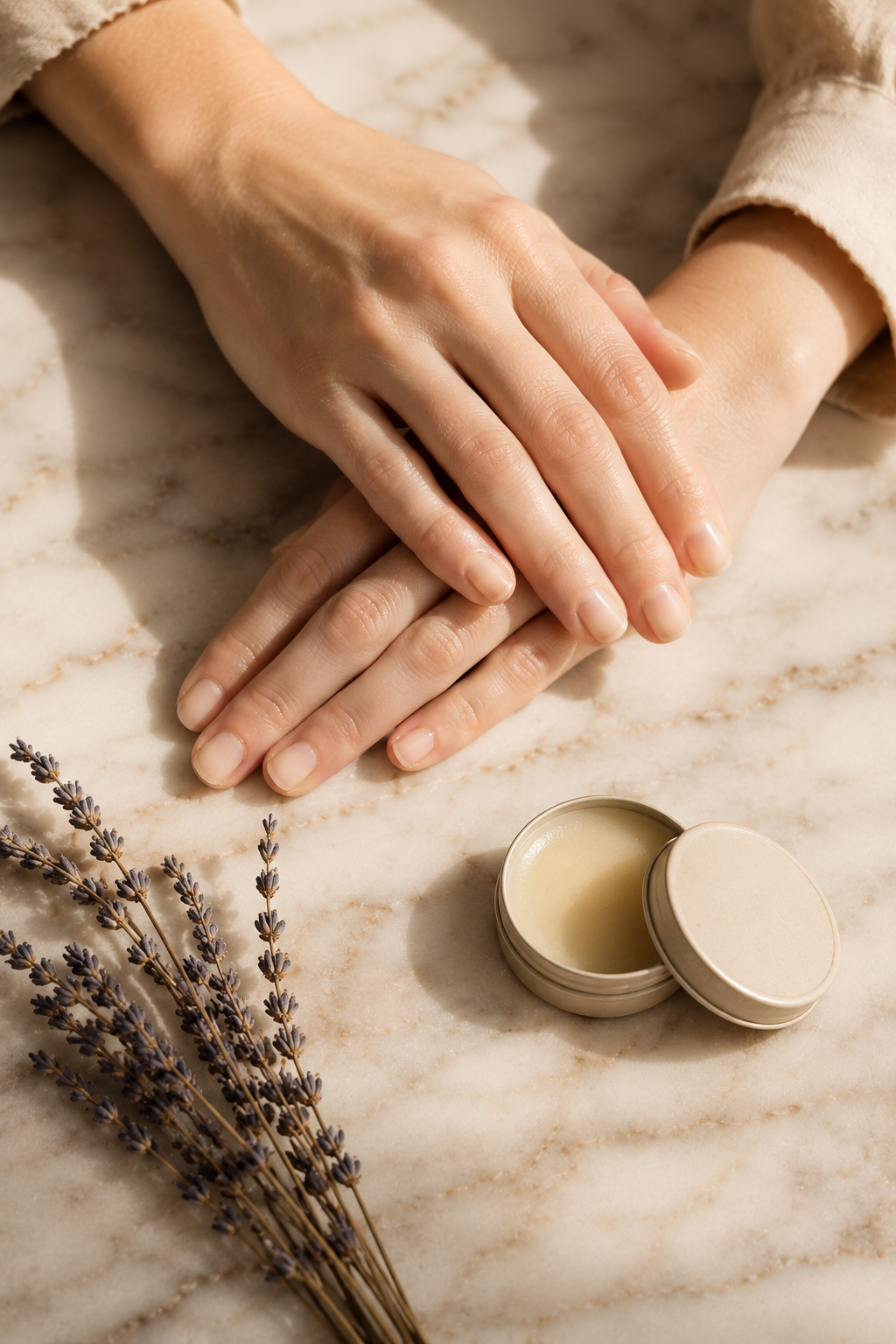
Beautifully maintained nails do not require an elaborate routine. They require a consistent one.
A daily drop of cuticle oil. A weekly moment of quiet attention. Products chosen thoughtfully and used with care.
These small rituals add up in ways that are genuinely visible — in the softness of your hands, the neatness of your nail beds, and the quiet confidence that comes from knowing the details are tended to.
Your cuticle care routine does not need to be perfect. It simply needs to be yours.