
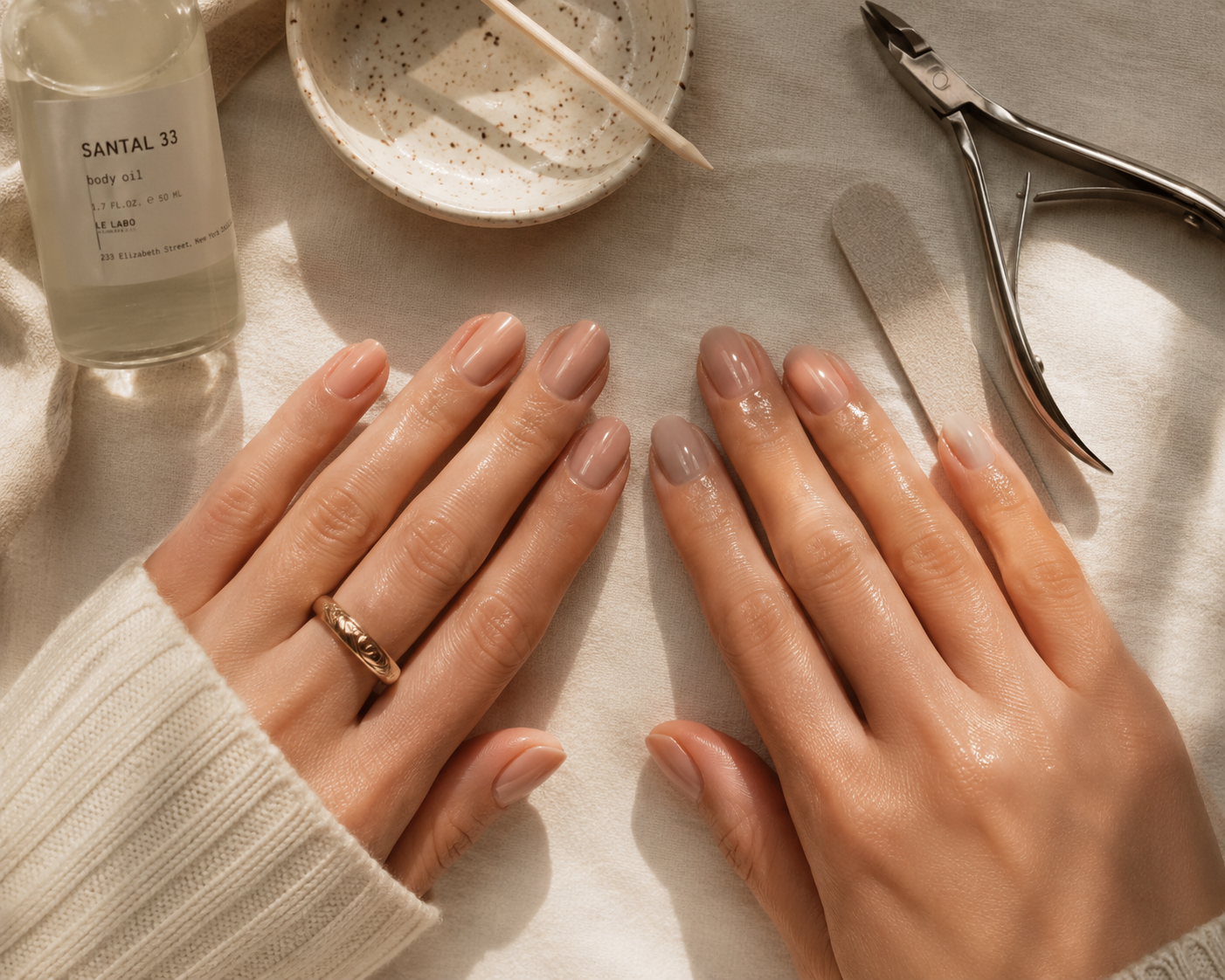
There’s a quiet moment every manicure client knows well. You’re sitting in the salon chair, scrolling through nail inspiration, and the technician asks the question you weren’t quite ready for: gel or dip powder?
Both promise weeks of glossy, chip-free color. Both have devoted fans. And both come with a small, nagging worry — which one is actually doing less damage underneath?
This gel vs dip powder nails comparison isn’t about trends. It’s about understanding what each method does to your natural nails over time, so you can choose with confidence instead of guessing under salon pressure.
How Each Is Applied
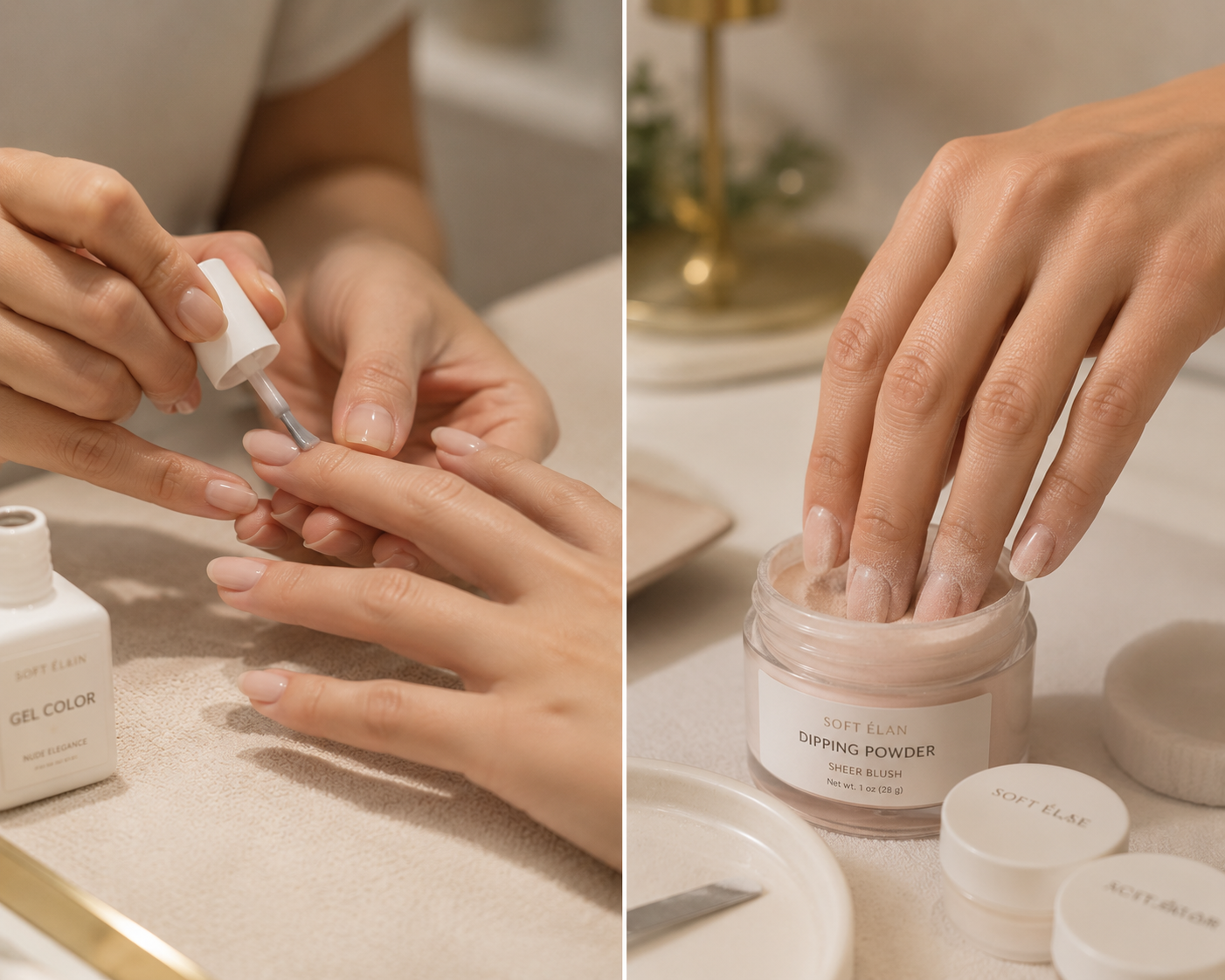
Gel polish is a soft, brush-on formula cured under a UV or LED lamp between coats. The process feels familiar — closer to a traditional polish — with a base coat, color, and glossy top coat, each hardened under light before the next step.
Dip powder works differently. Nails are coated in a clear, tacky base, then dipped into finely milled colored powder, brushed off, and sealed. No lamp is required, which is one reason some clients find it gentler on their routine, if not necessarily on their nails.
Both methods rely on adhesion to the natural nail plate, which is where most of the long-term health considerations begin.
Wear Time Compared
This is often the deciding factor for clients wondering which lasts longer, gel or dip.
Gel manicures typically hold up for two to three weeks before noticeable regrowth or lifting appears. Dip powder tends to edge slightly ahead, often lasting three to four weeks thanks to its more durable, layered structure.
Neither is inherently better here — it depends on your nail growth rate, daily habits, and how quickly you notice wear. If longevity is your priority, dip powder has a small advantage. If you prefer a slightly more flexible, natural-feeling finish, gel may suit you better.
Removal Process and Nail Damage Risk
This is where the real difference between gel and dip powder shows up, and it’s the heart of any healthiest long-wear manicure conversation.
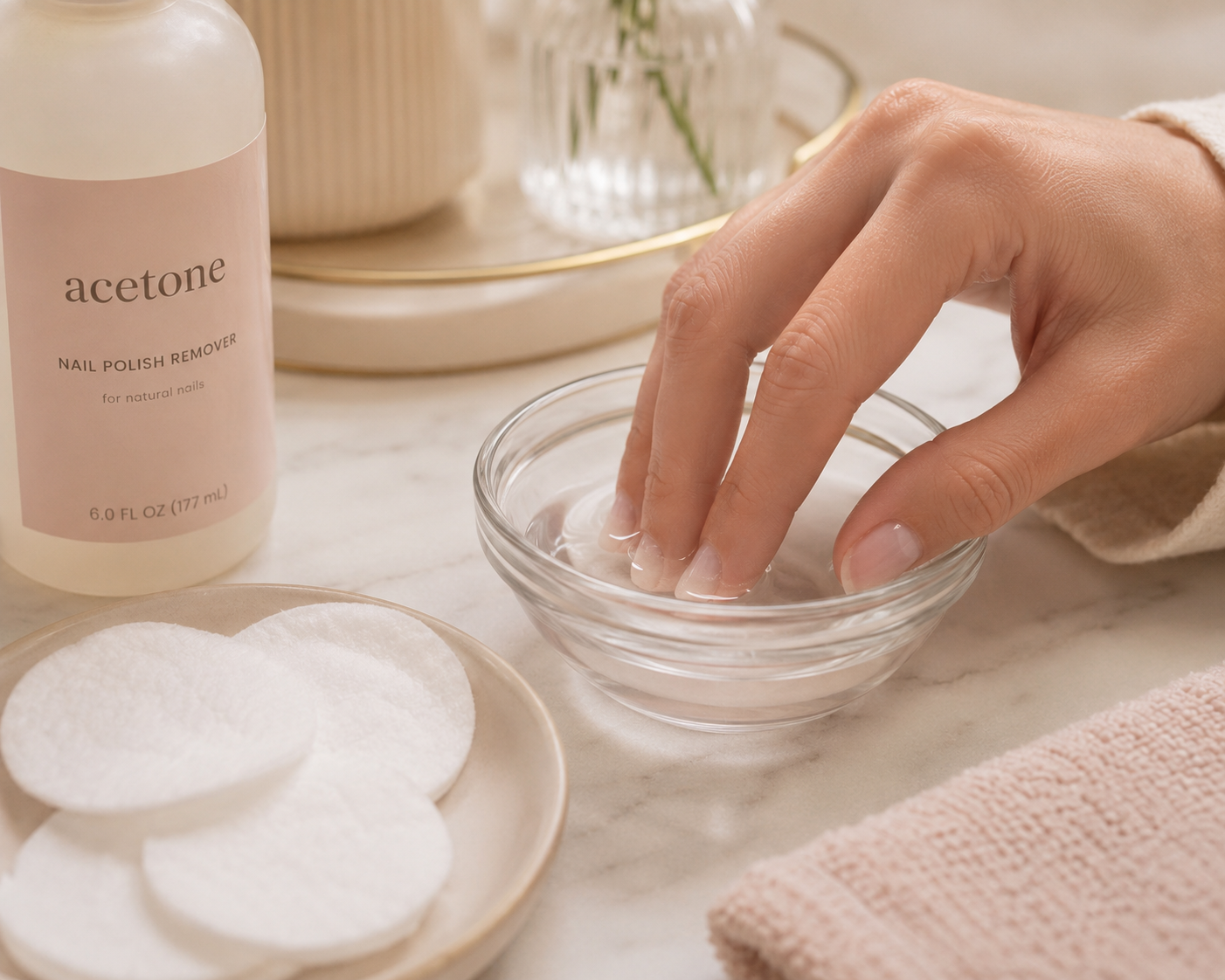
Gel polish is removed by soaking nails in acetone, often after light filing to break the seal. Done carefully, this process is manageable. Done impatiently — picked or peeled rather than soaked — it can lift layers of the natural nail along with it.
Dip powder removal also relies on acetone soaking, but the layers tend to be thicker, which sometimes means a longer soak or more filing to fully dissolve the product. More filing generally means more thinning, especially with frequent removals.
Signs Your Gel Is Damaging Your Nails
A few gentle indicators to watch for:
- Nails feel noticeably thin or flexible right after removal
- Peeling or flaking layers appear on the nail surface
- White, chalky patches show up where the gel once sat
- Nails feel unusually sensitive to touch or temperature
If these sound familiar, it may be worth spacing out your appointments or trying a nourishing reset between sets.
Is Dip Powder More “Natural”?
Dip powder is often marketed as the more natural option, largely because it skips the UV lamp. But “natural” doesn’t necessarily mean gentler on the nail itself. The powder layers are usually thicker than gel, which can mean more aggressive filing during removal. Neither method is truly natural — both are long-wear systems that require mindful application and removal to protect nail health.
Cost Comparison
Pricing varies by salon and region, but a general pattern holds true in most markets. Gel manicures typically run slightly less per appointment than dip powder, though the gap is often modest. Dip powder’s longer wear time can offset the higher upfront cost, since clients may need fewer touch-ups per month.
If you’re weighing cost alongside nail health, it’s worth factoring in removal visits, too. A salon removal appointment protects your nails far better than an at-home peel, and that convenience is part of the true cost of either method.
Our Verdict for Healthy Nails
There isn’t a single winner here — only a better fit for your nails and your lifestyle.
If you’re prone to thin or weak nails, gel’s lighter structure and simpler removal process may be the gentler long-term choice. If you love longer wear and don’t mind a slightly more involved removal, dip powder can absolutely work, as long as it’s removed professionally and not rushed.
Whichever you choose, the real key to healthy nails isn’t the product. It’s consistency — proper application, patient removal, and a little recovery time between sets.
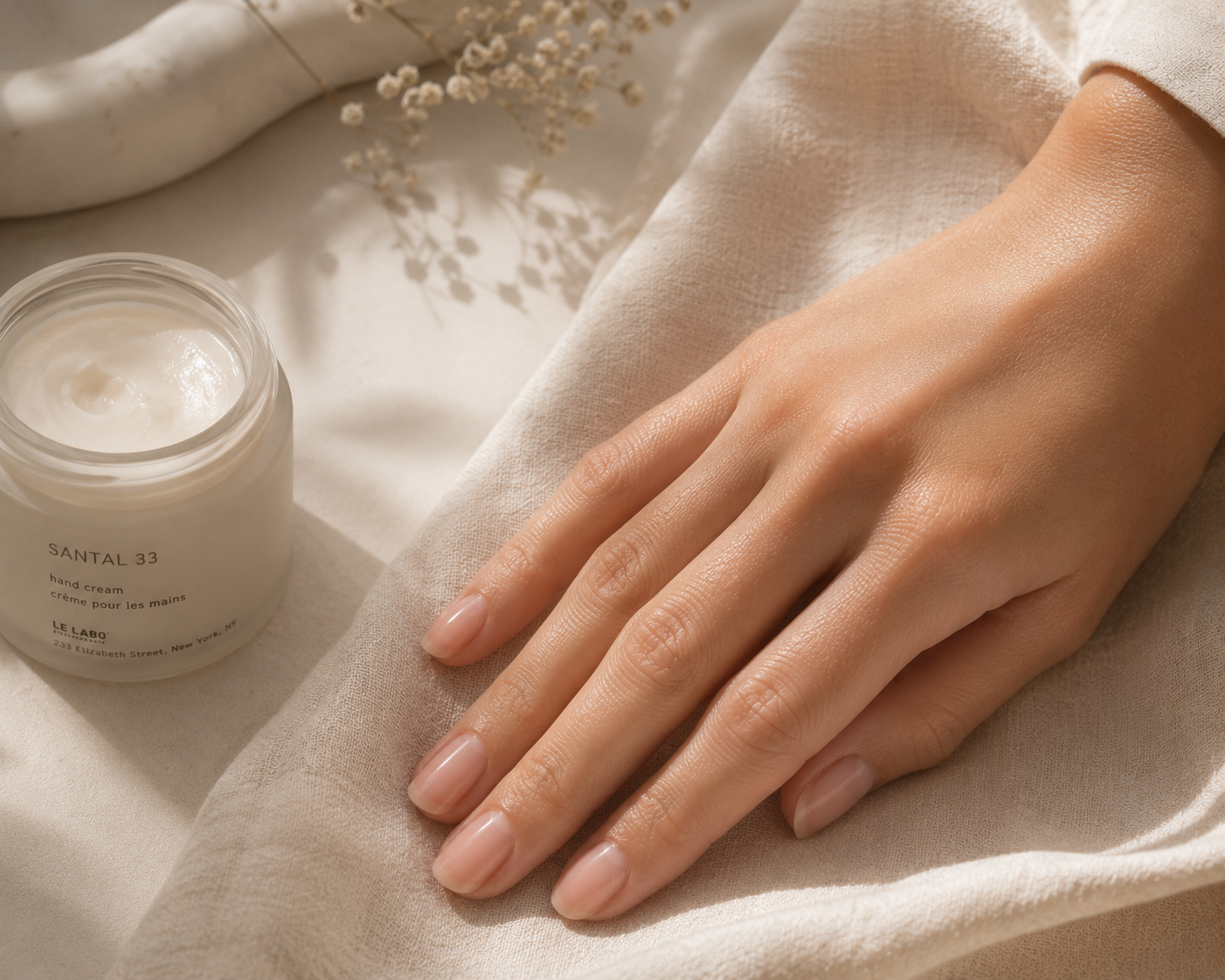
Soft Élan Note: A rich, hydrating hand cream applied nightly can help your nails and cuticles recover between manicures, no matter which method you prefer.
Frequently Asked Questions
Is dip powder healthier than gel? Not definitively. Dip powder often lasts longer, but its thicker layers can mean more filing during removal. Gel is generally simpler to remove but may not wear as long. The healthier choice depends on how carefully each is applied and removed.
Can you remove dip powder at home? It’s possible with a gentle, acetone-free remover and patience, but professional removal is usually safer for your natural nail. At-home removal often leads to peeling or picking, which weakens the nail plate over time.
How often should you switch between them? There’s no strict rule, but giving your nails a short break — even one to two weeks without any product — after several consecutive sets can help them recover and stay strong.
Looking to help your nails recover after weeks of long-wear color? Try The Gel Manicure Detox: A 4-Week Reset Between Sets for a gentle way to restore softness and shine.
Related reading:
- How to Fix Peeling Nails: A Guide to Minimalist Nail Care Essentials
- How to Remove Gel Nails at Home Without Damaging Your Nails
- The Gel Manicure Detox: A 4-Week Reset Between Sets
External sources for further reading:
- American Academy of Dermatology — nail care and manicure safety guidance
- Mayo Clinic — nail health and common nail conditions