
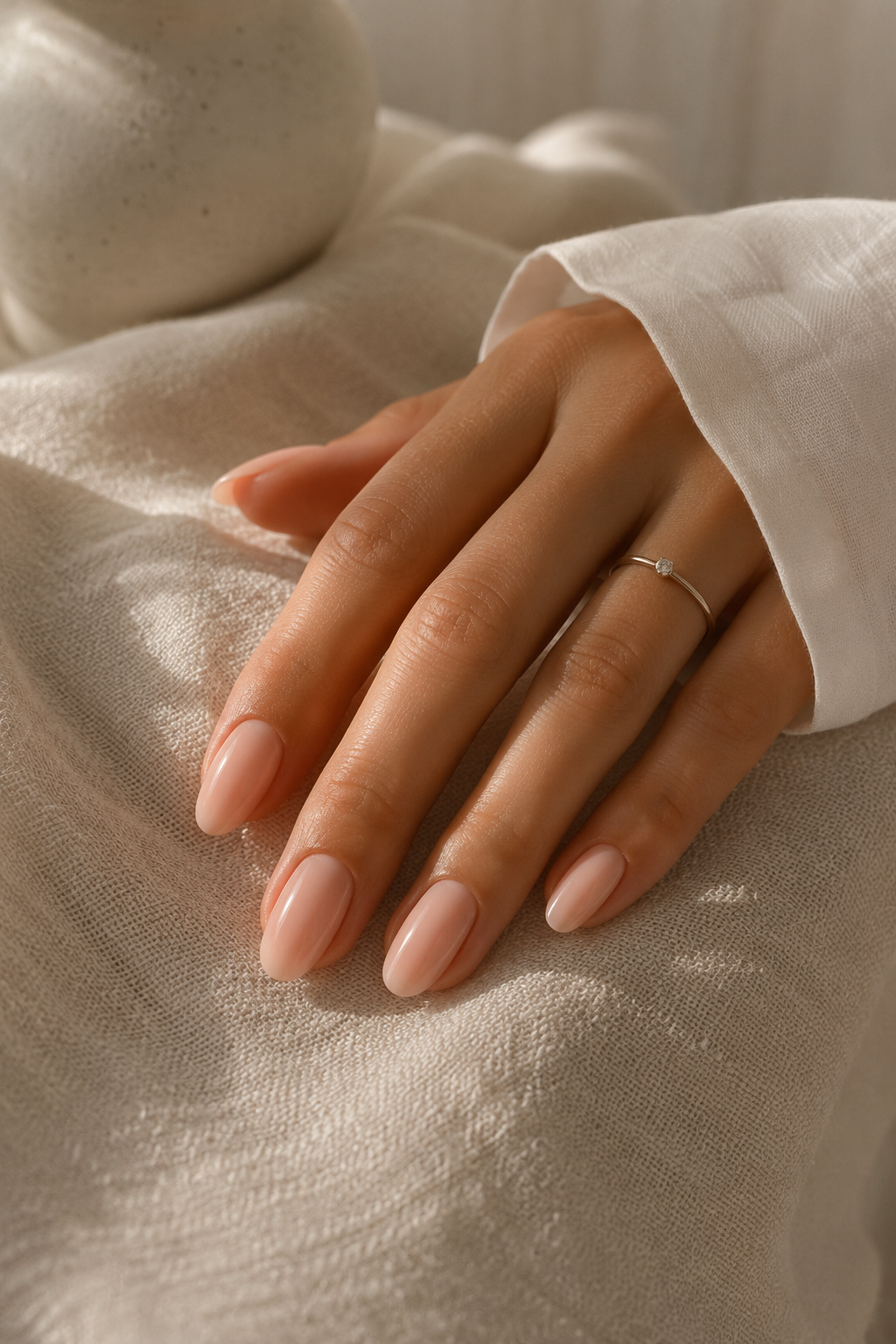
There is something quietly intimate about your hands. They rest on your desk, hold your coffee, and carry your rings — and every so often, they ask for a closer look.
If you have noticed vertical lines, small white marks, or a subtle dip across your nails, you are likely searching for the signs of a nutrient deficiency in nails, and wondering whether what you are seeing is simply cosmetic or worth a second glance. The good news is that most nail changes are ordinary. A few, gently understood, can be your body’s way of asking for a little more care.
This guide walks through what dermatologists say your nails may be reflecting, and how to respond with the same calm attentiveness you bring to the rest of your beauty routine.
Why Nails Reflect Overall Health
Your nails grow from a small, living structure called the matrix, tucked just beneath the cuticle. Because that tissue is nourished by the same blood supply as the rest of your body, it can be sensitive to shifts in nutrition, circulation, and overall wellness.
This is why dermatologists sometimes describe nails as a quiet window into general health. Cleveland Clinic notes that certain nutritional deficiencies, including low iron and zinc, are associated with visible nail changes such as ridges, spoon-shaped nails, and white spots.
Soft Élan Note: think of your nails the way you think of your skin. Most changes are simply about hydration, gentle care, and time. Occasionally, they are a signal to look a little deeper.
7 Visible Signs and What They May Mean
Consider this a gentle guide, not a diagnosis. If any of these signs feel new, sudden, or paired with other symptoms, a conversation with your doctor is always the more reassuring next step.
Vertical Ridges
Fine lines that run from the base of the nail to the tip are one of the most common nail concerns, and usually one of the least worrisome. They tend to become more noticeable with age and can be linked to dehydration. In some cases, according to Cleveland Clinic, they may also be associated with an iron deficiency, which is why understanding what ridges on nails mean often starts with simply watching how they change over time.
White Spots (Leukonychia)
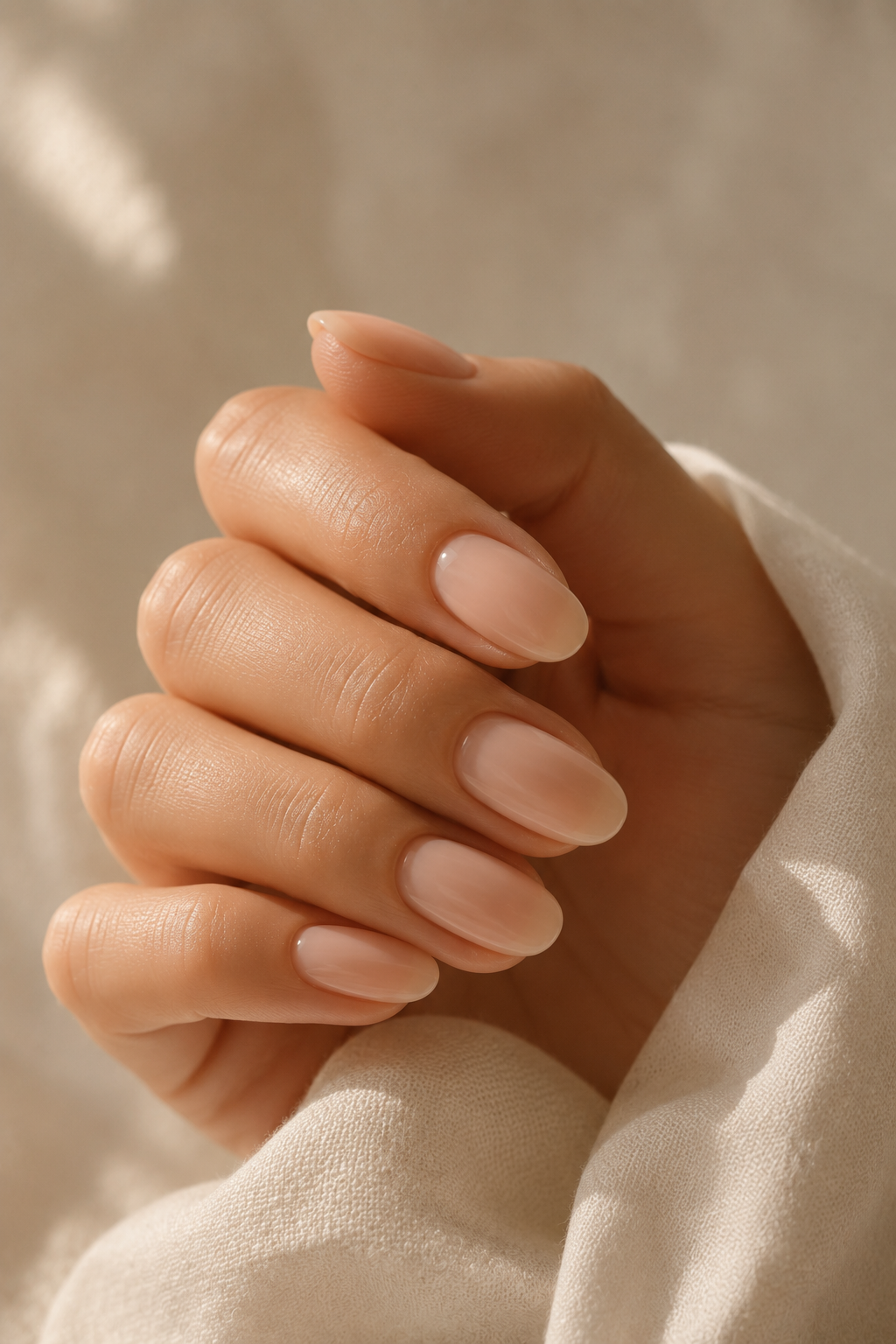
Small white marks scattered across the nail are usually the result of minor trauma to the nail matrix, such as an accidental bump, rather than a dietary issue. Still, understanding the possible white spots on nails causes matters, because in some cases zinc levels can play a role. If white spots appear alongside fatigue or other symptoms, it is worth mentioning to your provider.
Spoon Nails
Known medically as koilonychia, spoon nails have a soft, scooped-out appearance, almost as if they could hold a small drop of water. The American Academy of Dermatology lists this as one of the nail changes worth having a dermatologist examine, as it is often associated with iron deficiency.
Brittle, Splitting Nails
Nails that peel, crack, or split easily are frequently linked to everyday habits like frequent hand washing, harsh polish removers, or dry winter air. In some cases, ongoing brittleness has also been connected to thyroid changes or nutrient gaps, so if the pattern persists despite gentle care, it deserves attention.
Horizontal Ridges (Beau’s Lines). These deeper grooves run across the nail rather than down it, and can appear after illness, stress, or a past injury to the nail bed.
Yellowing or Discoloration. A gradual yellow tint is often related to polish staining or a mild fungal concern, though persistent changes are best evaluated by a professional.
Dark Streaks. A single dark line running from cuticle to tip is uncommon and worth a prompt dermatologist visit, simply as a precaution.
Soft Élan Note: noticing these signs is an act of self-care, not self-diagnosis. Awareness, paired with a little patience, is usually all that is needed.
When It’s Cosmetic vs. When to See a Doctor
Most nail changes fall gently into the cosmetic category — the natural result of age, weather, or a busy season of hand washing and gel manicures. A little extra hydration and a slower approach to your routine is often all they need.
It may be worth scheduling a visit with your doctor or dermatologist if you notice:
- A sudden change in several nails at once
- Ridges or spots paired with fatigue, hair thinning, or unusual bruising
- A dark streak that was not there before
- Nails separating from the nail bed

As with any change in your body, trust your instincts. A brief appointment can offer real clarity and peace of mind.
Supporting Nail Health Through Diet
Beautifully maintained nails often begin from the inside. A few gentle, sustainable habits tend to make the most visible difference over time.
- Iron-rich foods, like leafy greens and lean proteins, support the nail’s ability to grow smoothly.
- Zinc sources, such as pumpkin seeds and legumes, help maintain healthy nail structure.
- Biotin and protein provide the building blocks nails rely on for strength.
- Consistent hydration, both from water and a nourishing hand cream, keeps the surrounding skin soft and the nail plate more flexible.

For a full, feminine approach to strengthening nails from the outside in, this guide on how to strengthen weak nails naturally pairs beautifully with the habits above.
If your diet already feels balanced and changes persist, a nail-supporting supplement can be a gentle addition to your routine — though it should always complement, rather than replace, a conversation with your doctor if you suspect a true deficiency.
A Quiet Word on Reading Your Own Hands
Your nails are not trying to alarm you. Most of the time, they are simply asking for a little rest, a little hydration, and a little patience.
Beautiful nails rarely come from perfection.
They come from small rituals, repeated consistently, and a willingness to notice what your body is quietly telling you.
For a deeper look at how your nail care should shift with time, this guide on how your manicure routine should evolve after 35 is a natural next read — and a lovely place to continue this quiet, ongoing ritual of self-care.
Frequently Asked Questions
Do white spots mean calcium deficiency? Not usually. Most dermatologists agree that white spots are more often linked to minor nail trauma than to calcium levels, though zinc has occasionally been associated with this pattern.
Can ridges go away? Vertical ridges rarely disappear entirely, as they are often related to natural aging, but they can become less noticeable with consistent hydration and gentle nail care. Horizontal ridges typically grow out on their own as the nail regenerates.
Should I see a dermatologist for nail changes? If a change feels sudden, affects several nails at once, or is paired with other symptoms, a brief dermatologist visit can offer clarity. For subtle, gradual changes, simply monitoring them over a few weeks is often enough.
This article is intended for general educational purposes and is not a substitute for professional medical advice. If you have concerns about your nail health, please consult a dermatologist or healthcare provider.
Related reading: Healthy-Looking Minimalist Nails: The Secret Most Women Miss
Sources:
American Academy of Dermatology, “12 Nail Changes a Dermatologist Should Examine”;
Cleveland Clinic, “Ridges in Nails” and “White Spots on Nails (Leukonychia)“