
There is a particular kind of disappointment in a manicure that looked flawless on day one and chipped by day three. If you have been searching for how to make manicure last longer, the good news is that it rarely comes down to bad luck or a weak polish formula. More often, it comes down to a handful of small habits — during application and in the days that follow — that quietly decide how long your manicure holds its shine.
None of this requires buying more products. It simply asks for a little more intention with the ones you already own.
The Application Habits That Matter Most
Most premature chipping is decided before the polish ever dries. A few adjustments during application can help a manicure last longer than the one before it, without changing your color or your routine.
Start With a Clean, Dry Nail
Polish needs a bare, dry surface to hold onto. Any trace of lotion, cuticle oil, or leftover moisture creates a thin barrier between the nail and the product, and that barrier is exactly where lifting tends to begin. If you have just washed your hands or applied hand cream, give the nail plate a few minutes to dry fully before you start — a nail that looks dry to the eye can still be holding a light film of product underneath. Some people find a quick wipe with rubbing alcohol useful for clearing any last trace of oil, though it’s an optional step rather than one every routine needs.
Keep Polish Coats Thin
A thick coat feels like more coverage, but it dries more slowly beneath the surface, and that soft, half-set layer is more prone to denting and smudging. The first coat doesn’t need to reach full opacity on its own — its job is to lay an even base, not finish the color. Load the brush lightly rather than generously, and let each layer set before adding the next. Two or three thin layers built up this way tend to dry more evenly and hold their finish better than a single heavy one.
Cap the Free Edge
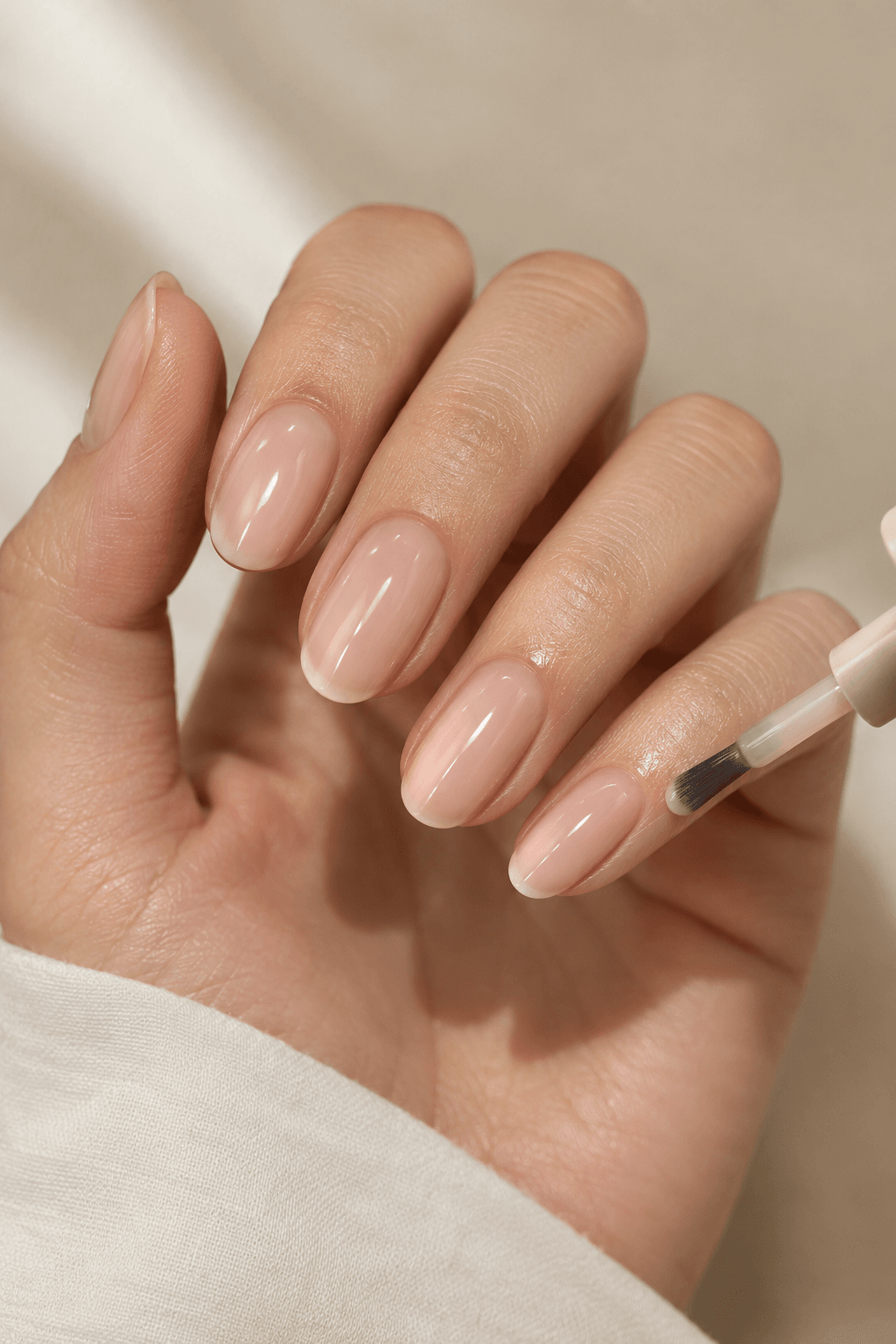
The free edge is the very tip of the nail — the small white edge you would trim with clippers. It takes the most daily contact of any part of the nail, from typing to opening jars to simply resting your hand on a table. Capping it means lightly sweeping your brush across that tip with every layer, including the top coat, so the edge is sealed rather than left bare. The goal is a light seal at the edge, not a thick buildup of polish underneath the nail — too much product there can encourage lifting rather than prevent it.
This one habit is often the difference between a manicure that lasts longer and one that starts peeling at the tips within a day or two.
Respect Drying or Curing Time
Regular polish and gel polish behave differently, and treating them the same is a common reason manicures wear out too fast.
Regular polish needs time to air-dry, and that process continues well after it feels dry to the touch. Gel polish does not air-dry at all — it needs to cure under the correct UV or LED lamp for the length of time specified by that particular gel system. Cutting either process short, whether by rushing out the door or by under-curing a gel coat, is one of the fastest ways to shorten how long a manicure lasts.
Cure and dry times vary by brand and formula, so it’s worth checking your specific product’s instructions rather than assuming a universal number.
Finish With the Right Top Coat
A well-applied top coat is what seals everything underneath it, and finish plays a role in how that wear shows up over time. Glossy and matte top coats are formulated differently, and that difference can affect how each one ages — not necessarily how long it lasts before it’s genuinely compromised. Our full comparison of matte versus glossy top coat wear walks through how each finish tends to hold up day to day, so you can choose based on more than personal preference.
Whichever finish you choose, pairing it with a base coat suited to your nail type — rather than whatever bottle happens to be closest on the shelf — supports the technique described above. Our guide to choosing the best base coat and top coat goes deeper into matching formulas to your nails.
Soft Élan Note: A fast-drying top coat, such as Seche Vite, can be a practical choice on mornings when there isn’t time to wait around with wet nails. For an everyday glossy finish, Essie’s top coat is a well-liked option for its smooth, easy application.
Daily Habits That Are Quietly Wrecking Your Manicure
Even a beautifully applied manicure can wear out early once daily life gets involved. These are the habits worth noticing.
Prolonged water exposure. Long dish sessions, hot showers, and extended soaks make it harder for a manicure to hold up, since repeated wetting and drying puts steady, ordinary stress on how well polish stays bonded to the nail. It doesn’t take unusual conditions — just the routine wear of a normal week.
Household chores without gloves. Dish soap, cleaning sprays, and hot water are especially hard on a fresh manicure. A simple pair of rubber or latex gloves creates a barrier between your polish and everything that would otherwise soften it.
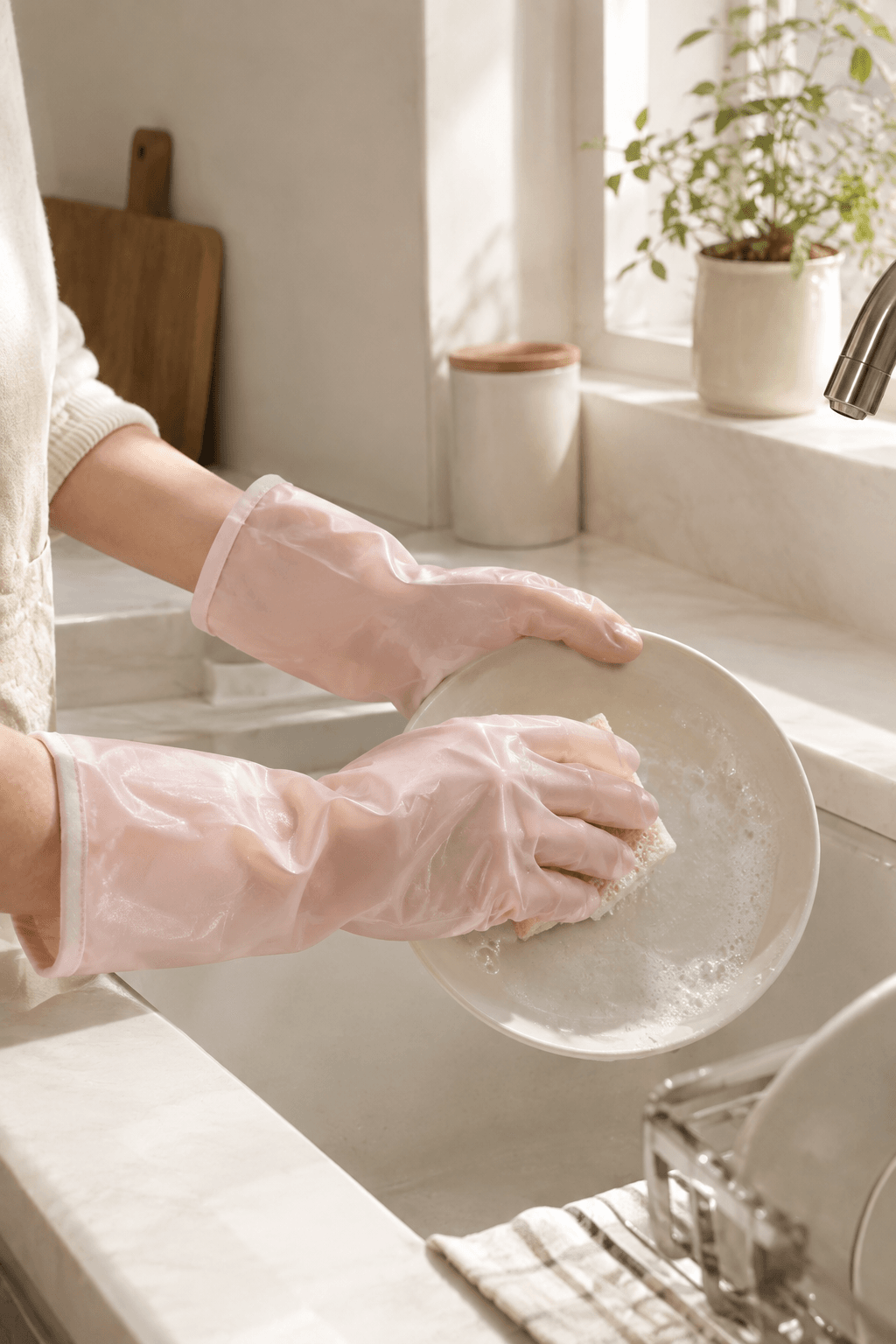
Soft Élan Note: Keeping one pair of gloves by the sink is one of those quiet habits that protects far more than it costs — for your manicure and for your hands.
Everyday friction. Typing, opening packaging, pulling zippers, and simply resting your hands on hard surfaces all put small, repeated contact right at the free edge. None of it is avoidable, and it shouldn’t have to be — but noticing how often your fingertips make contact with hard edges over the course of a day helps explain why even a well-applied manicure shows some wear by the end of the week.
Using nails as tools. Opening cans, peeling stickers, prying things apart, or scraping off a price tag puts direct pressure on the free edge — the exact spot you just spent extra time sealing. This is one of the fastest ways to chip a manicure that would otherwise have lasted the week.
Picking at the first small chip. A tiny chip rarely stays tiny once fingers get involved. Picking lifts more polish than the original chip ever would, often taking the manicure down to bare nail in that spot. A small touch-up, addressed early, almost always preserves more of the manicure than picking does.
The Right Top Coat Routine
A top coat is not a one-time step you apply and forget. Treated as ongoing maintenance, it’s one of the simplest ways to help a manicure last longer without redoing it.
A thin layer of top coat reapplied every few days — or as soon as the surface starts losing its fresh shine, or the edge begins to feel less sealed — can refresh a manicure before real wear sets in. For many regular-polish manicures, that works out to roughly every two or three days, though it varies by formula and by how the hands are used day to day. The moment the tips start looking slightly dull is usually the clearest sign that it’s worth a light refresh.
Small edge chips are often worth repairing rather than removing the whole manicure. Gently smoothing the chipped area and adding a thin layer of top coat over it can blend the repair in convincingly.
Touch up when:
- only one or two nails have a small chip
- the rest of the manicure still looks fresh
- the damage is limited to one spot
Consider removing and redoing when:
- several nails show noticeable wear
- lifting has spread across more than a couple of nails
- the color has faded or yellowed
- continued patching would look less polished than starting over
If you’re building out the products that make this kind of maintenance easy to keep up with, our Quiet Luxury Nail Kit walks through the small, considered set of tools worth having on hand.
Gel vs. Regular Polish: Different Wear Expectations
Gel and regular polish are not the same product wearing two different names, and expecting identical performance from both often leads to disappointment.
Regular polish dries in open air and is generally more prone to surface dents and tip wear within the first few days, which is exactly why coat thickness and capping the free edge matter so much. Gel polish, once properly cured, tends to resist everyday wear and hold its shine longer — but only when the application and curing were done correctly in the first place. A rushed gel manicure with under-cured layers can lift and wear just as quickly as a poorly applied regular polish, sometimes sooner.
It also helps to hold a realistic picture in mind. A manicure lasting longer does not mean it will look untouched forever. Some natural softening of shine, particularly near the tips, is normal by the later days of either type of manicure — a well-maintained set simply shows less of it, later.
Frequently Asked Questions
Can I fix one chipped nail without redoing the whole manicure? Often, yes. If the damage is limited to one or two nails and the rest of the manicure still looks fresh, gently smoothing the chip and adding a thin layer of top coat is usually enough. A full redo makes more sense once wear has spread across several nails.
Why does my nail polish chip so fast at the tips? The free edge takes the most daily contact of any part of the nail. If it isn’t sealed with each coat, including the top coat, it’s usually the first place a manicure starts to chip.
Does wearing gloves really help a manicure last longer? Yes. Repeated exposure to water, soap, and cleaning products makes it harder for polish to stay bonded to the nail, so gloves during chores are a simple way to protect a fresh manicure.
How often should I reapply top coat? There’s no strict rule, but many regular-polish manicures benefit from a light refresh every few days, or as soon as the shine starts to look dull. Formula and daily hand use both affect how quickly that happens.
The Little Habits That Keep a Manicure Looking Fresh
A manicure that lasts rarely comes down to luck. It comes down to thin, patient coats. A sealed free edge. A top coat treated as light, ongoing care rather than a one-time finishing step. A pair of gloves reached for out of habit rather than afterthought.
None of it is complicated, and none of it asks for more than what’s already in your kit. It simply asks for a little more attention at each step — which, over a few days, is what actually keeps a manicure looking like it did on day one.