
There is a particular kind of irritation that comes from a hangnail — small, sharp, and somehow always noticed at the worst possible moment. Learning how to fix a hangnail properly is less about quick fixes and more about a little patience and the right technique. Most of us reach for our teeth first. A manicurist never would.
What Actually Causes Hangnails
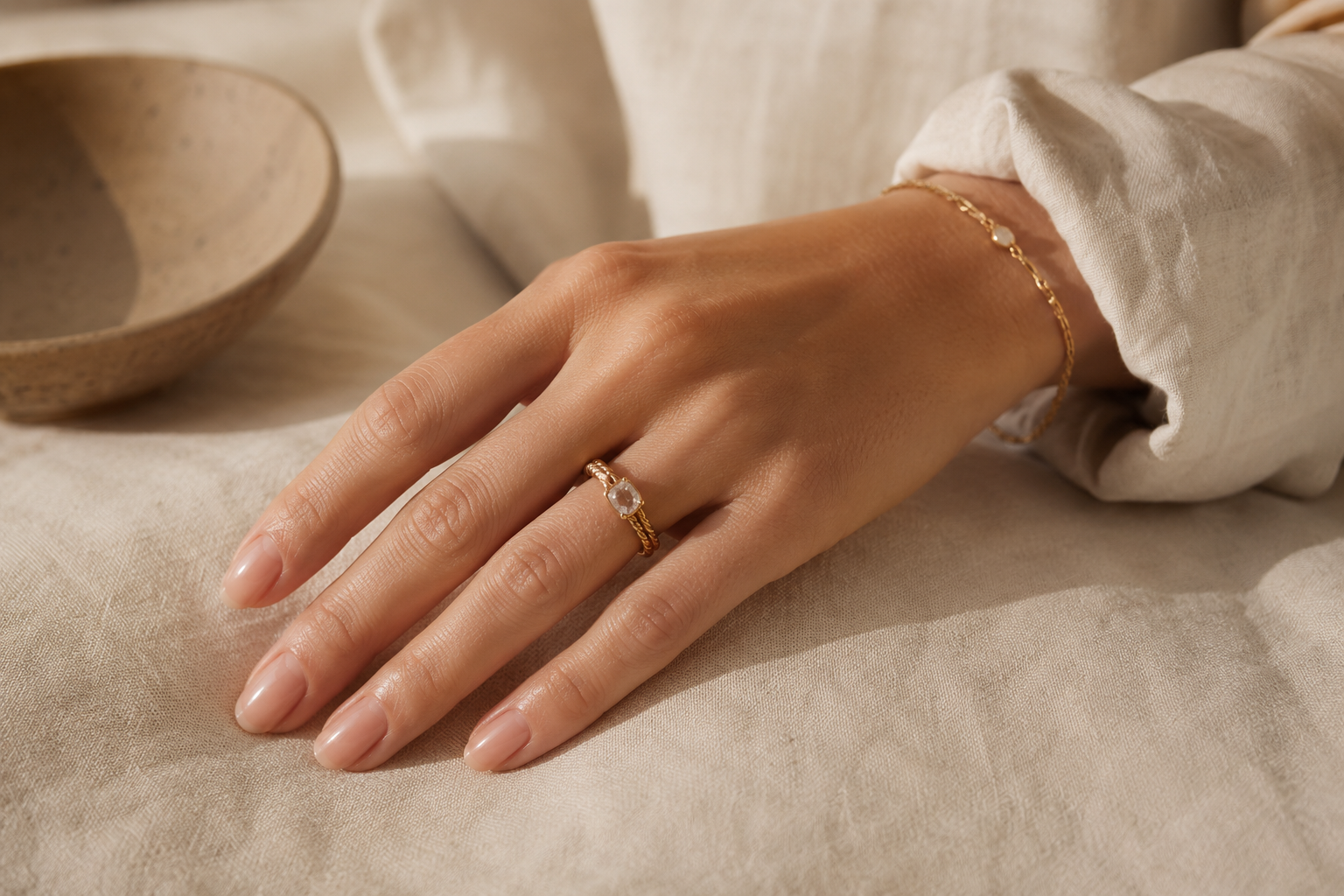
A hangnail is not, technically, a nail problem at all. It is a small tear in the dry skin beside the nail, usually where the cuticle has lost moisture and become brittle.
A few everyday habits tend to be behind it:
- Frequent handwashing or hand sanitizer use, which strips natural oils
- Dry or cold weather, especially indoors with heating
- Overly aggressive cuticle trimming at home
- Nail biting or picking at the skin
- Low humidity paired with little to no hand cream use
Understanding why do I get hangnails in the first place makes prevention feel far less mysterious — and far more manageable.
How to Fix a Hangnail the Right Way
The instinct to pull is understandable. It is also exactly what turns a small tear into a larger, more painful one. The correct hangnail treatment is slower, gentler, and genuinely more effective.
Here is the quiet, professional method:
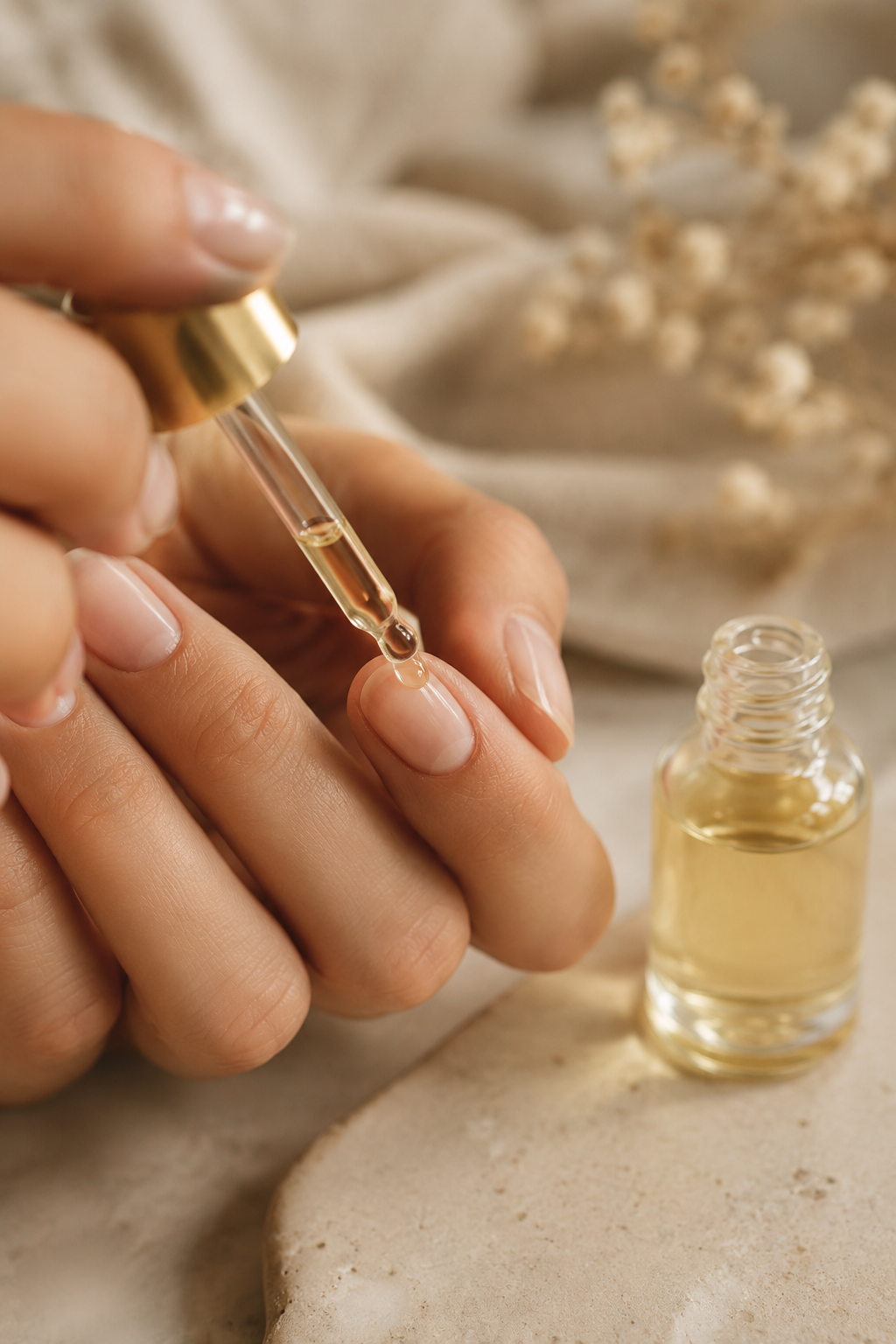
- Soften first. Soak the fingertip in warm water for two to three minutes, or apply cuticle oil and let it absorb for a moment. Dry skin tears; soft skin trims cleanly.
- Use the right tool. Sterilize a pair of cuticle nippers with rubbing alcohol before use.
- Snip, never pull. Clip the hangnail as close to the base as possible in one clean motion, following the natural curve of the skin.
- Smooth the edge. If any roughness remains, a gentle buffer can soften it further.
- Seal with oil. Finish with a nourishing oil to protect the area while it heals.
Consequently, this small sequence — soften, snip, seal — is really the entire answer to how to fix a hangnail without turning it into a week-long irritation.
Nippers vs. Scissors vs. Fingers
Not all tools are created equal here.
- Fingers or teeth: Never recommended. Tearing pulls skin below the nail bed, which is exactly how a small hangnail becomes an infected one.
- Regular scissors: Too blunt for this precise a job, and they increase the risk of an uneven, jagged edge.
- Cuticle nippers: The professional standard. A well-made pair, kept clean and sharp, allows for a single precise cut instead of repeated tugging. Cuticle nippers are a worthwhile addition to any hand-care drawer, not just for hangnails but for tidy, polished cuticles overall.
Aftercare That Actually Helps
Once the hangnail is removed, the skin still needs support. A drop of cuticle oil massaged gently around the nail bed helps lock in moisture and encourages the skin to heal without cracking again. If the area feels tender or slightly raw, a thin layer of healing balm and, if needed, a small bandage overnight can make a noticeable difference by morning.
What Never to Do to a Hangnail
A few habits, though common, tend to make things worse rather than better.
- Do not over-trim the surrounding cuticle “to be safe.” This often invites more hangnails, not fewer.
- Do not bite or pull it. This almost always tears skin beyond the hangnail itself.
- Do not ignore it indefinitely. Left alone, it can catch on fabric and tear further.
- Do not use dull or unsterilized tools. This raises the risk of infection.
If the area becomes red, swollen, or increasingly painful, it is worth having it looked at by a dermatologist, as this can indicate a minor infection that benefits from proper care. The American Academy of Dermatology offers helpful general guidance on nail and cuticle health for anyone wanting a deeper dive.
A Simple Prevention Routine
Preventing hangnails is, in many ways, more rewarding than fixing them — because it means fewer to fix in the first place.
A few small, consistent habits go a long way:
- Apply cuticle oil daily, not only after a manicure
- Keep a hand cream nearby and use it after every handwash
- Avoid biting or picking at any rough skin, even absentmindedly
- Use a gentle exfoliating hand treatment weekly during dry months
- Reach for a richer healing balm at night, when skin repairs itself most actively
Soft Élan Note: Keeping a small vial of cuticle oil at your desk is one of those quiet habits that pays off far more than it costs — a few seconds, several times a day, and your hands notice.
For a fuller routine, our guide to Cuticle Care 101: The Health-First Hand Routine Quiet Luxury Women Swear By walks through the daily rituals that keep cuticles resilient year-round, and Your Fall Hand Care Routine: A Quiet Luxury Ritual for Dry Hands is especially useful as the seasons shift and skin grows drier.
Frequently Asked Questions
Is it bad to pull a hangnail? Yes. Pulling tears the skin below the nail bed, which is deeper and more sensitive than the hangnail itself. This often leads to more pain, bleeding, and a higher risk of infection than a clean, deliberate snip.
Why are my hangnails so painful? Hangnails expose a small area of live skin near a lot of nerve endings. Even a tiny tear can feel disproportionately sharp, especially if the surrounding skin is already dry or cracked.
How do I stop getting them? Consistent hydration is the real answer. Daily cuticle oil, regular hand cream, and avoiding aggressive at-home trimming will prevent most hangnails before they start. For further reading on skin barrier health, Mayo Clinic offers reliable general information on dry, cracked skin care.
A Quiet Closing Note
A hangnail is small. The way we handle it does not have to be. A little patience, the right tool, and a few consistent habits are really all it takes to keep hands looking calm, cared for, and quietly polished.
If your hands could use a bit more softness overall, our guide to the Best Hand Cream for Dry Hands: The Quiet Luxury Edit for Soft, Ageless Hands is a lovely next step. And for a curated look at oils worth keeping nearby, The Best Cuticle Oils for Healthy, Elegant Nails: A Curated Guide and Daily Nail Care Routine: A Simple 10-Minute Ritual for Healthy-Looking Nails are worth bookmarking.